
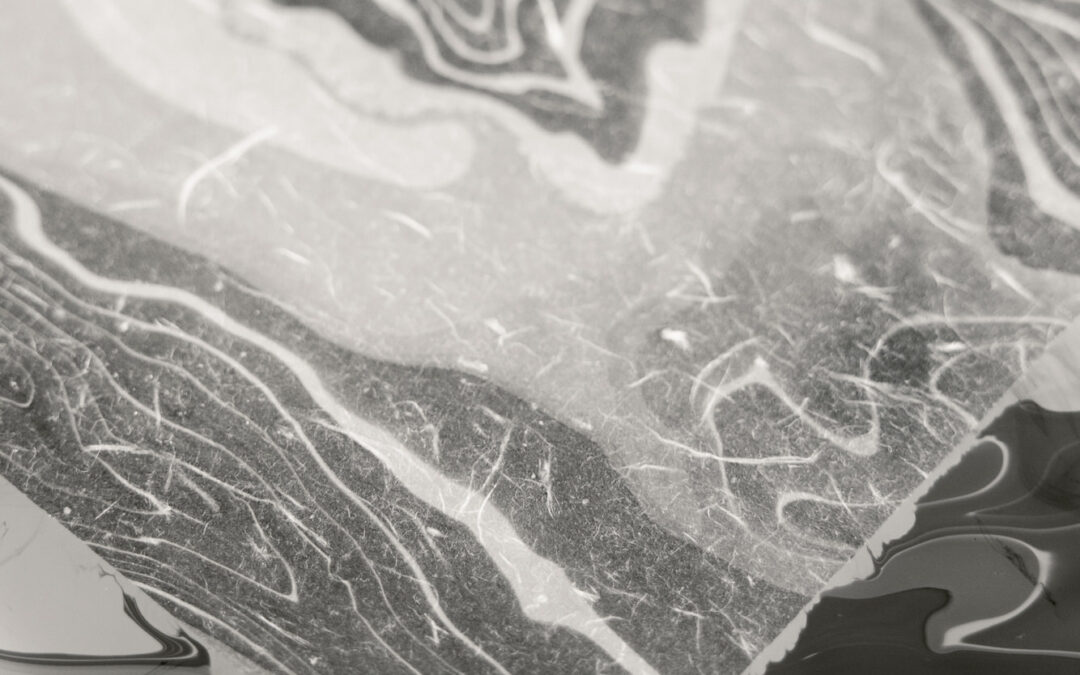
There’s something incredibly satisfying about watching ink dance across water.
It’s slow. It’s peaceful. It’s completely unpredictable. And somehow, no matter what you do, the end result looks like something you’d happily frame in your living room.
That’s the magic of Suminagashi, the centuries-old Japanese art of paper marbling.
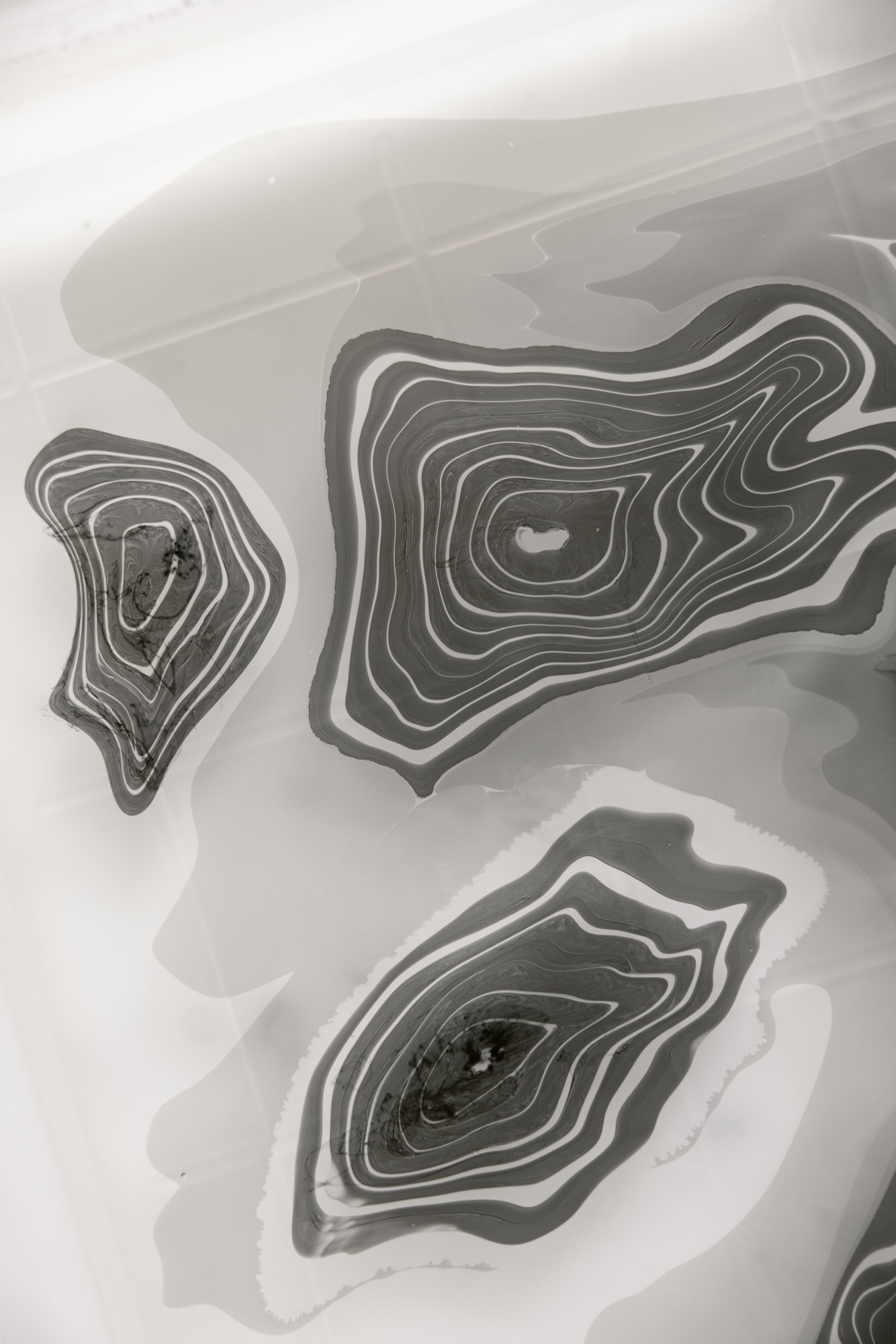
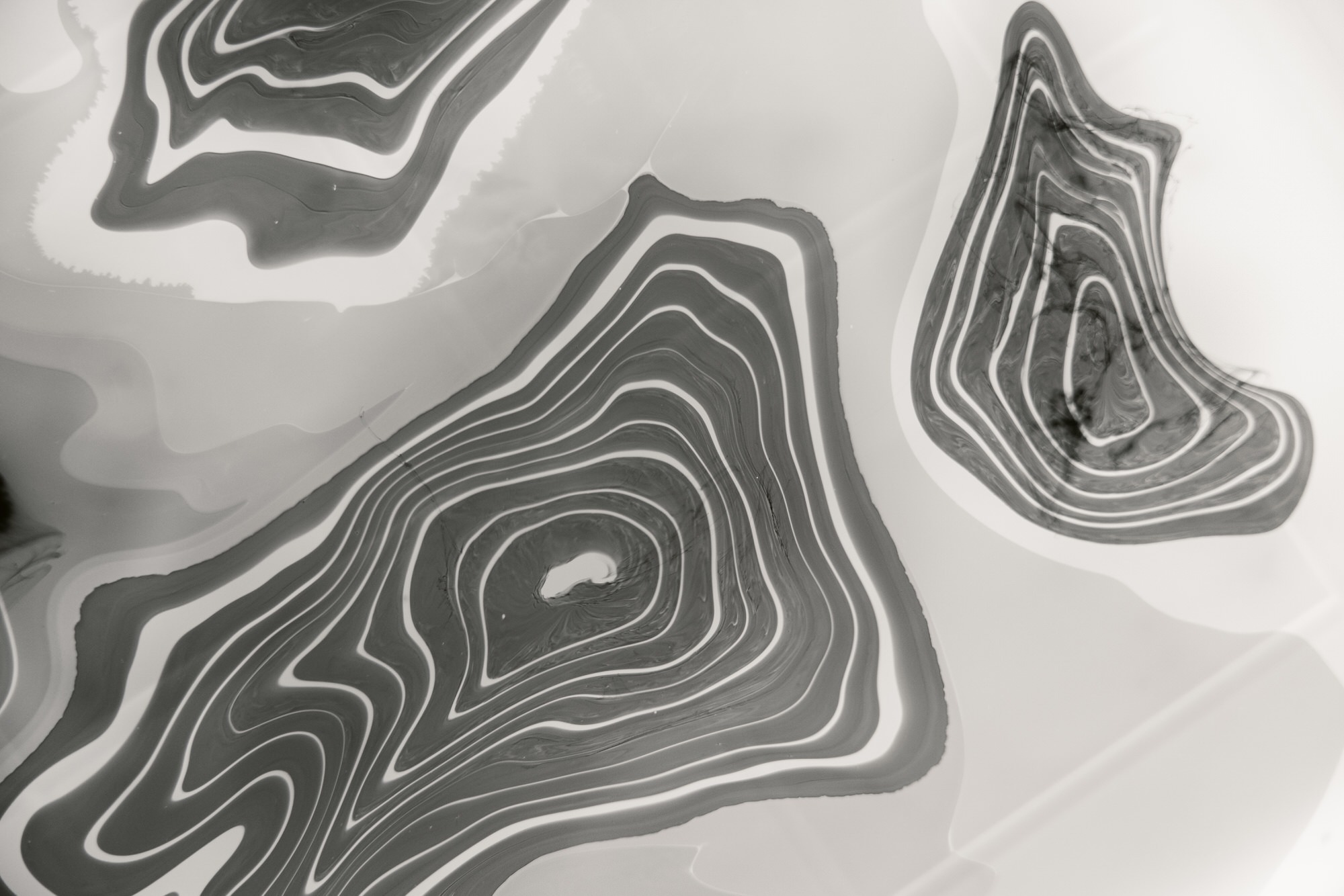
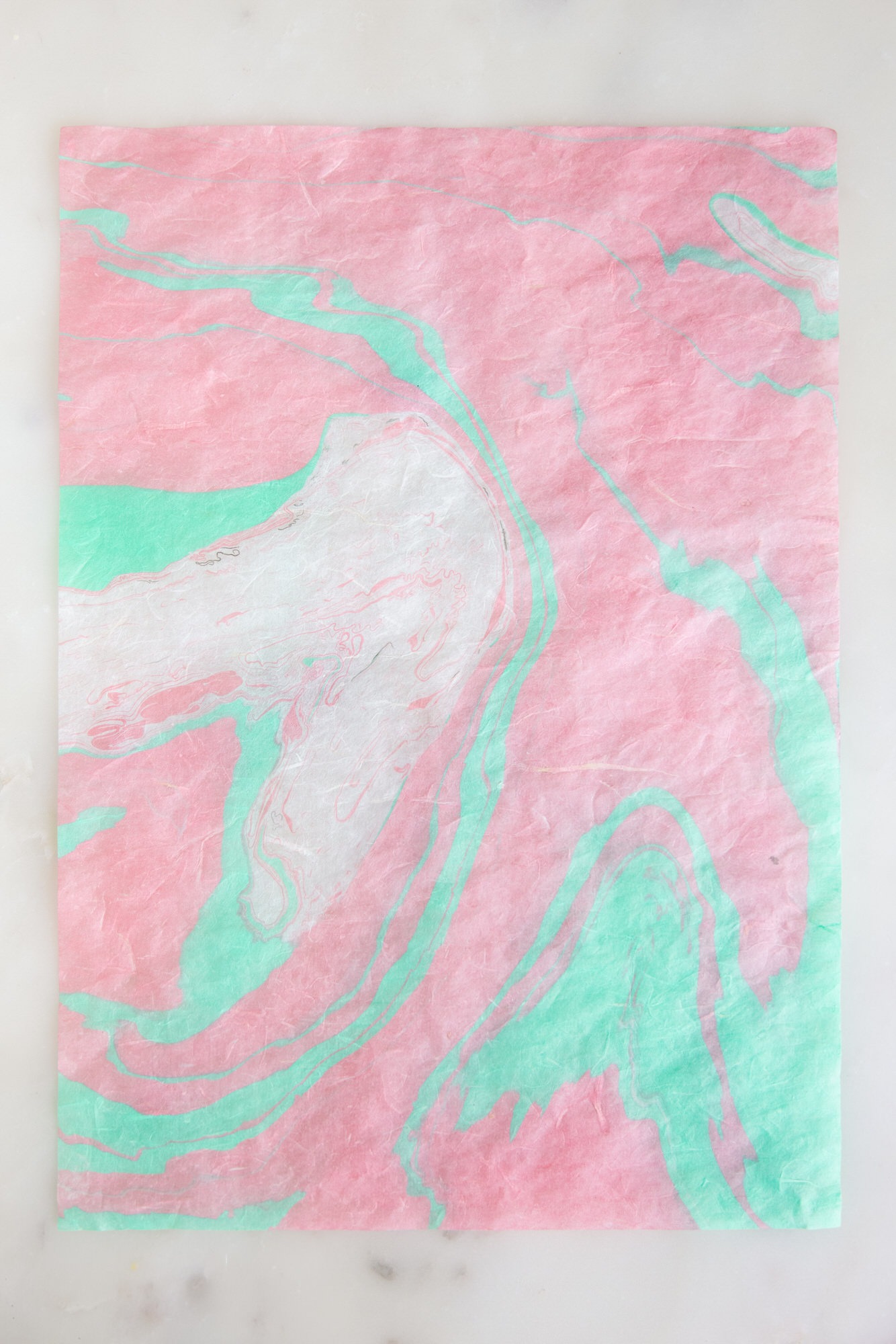
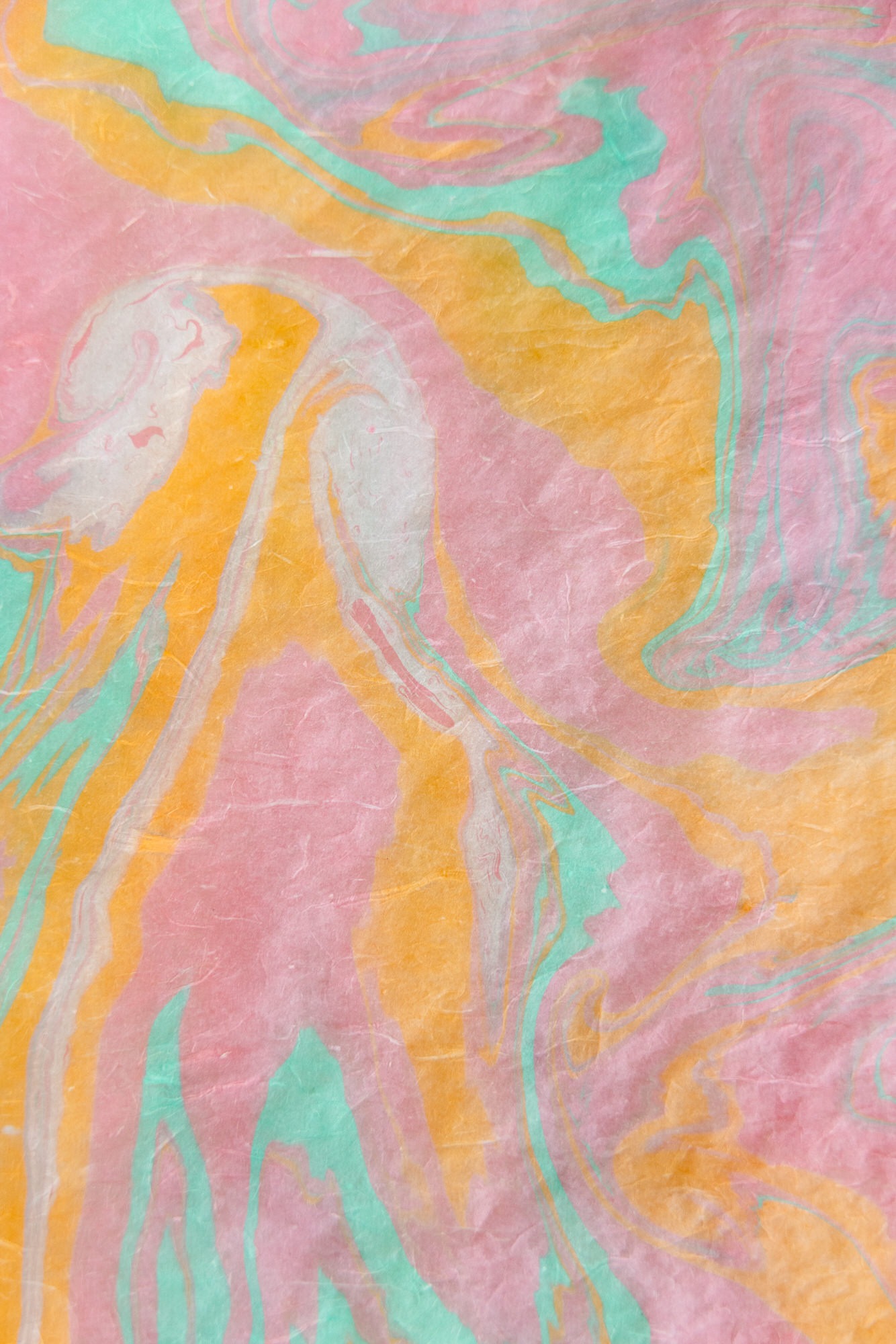
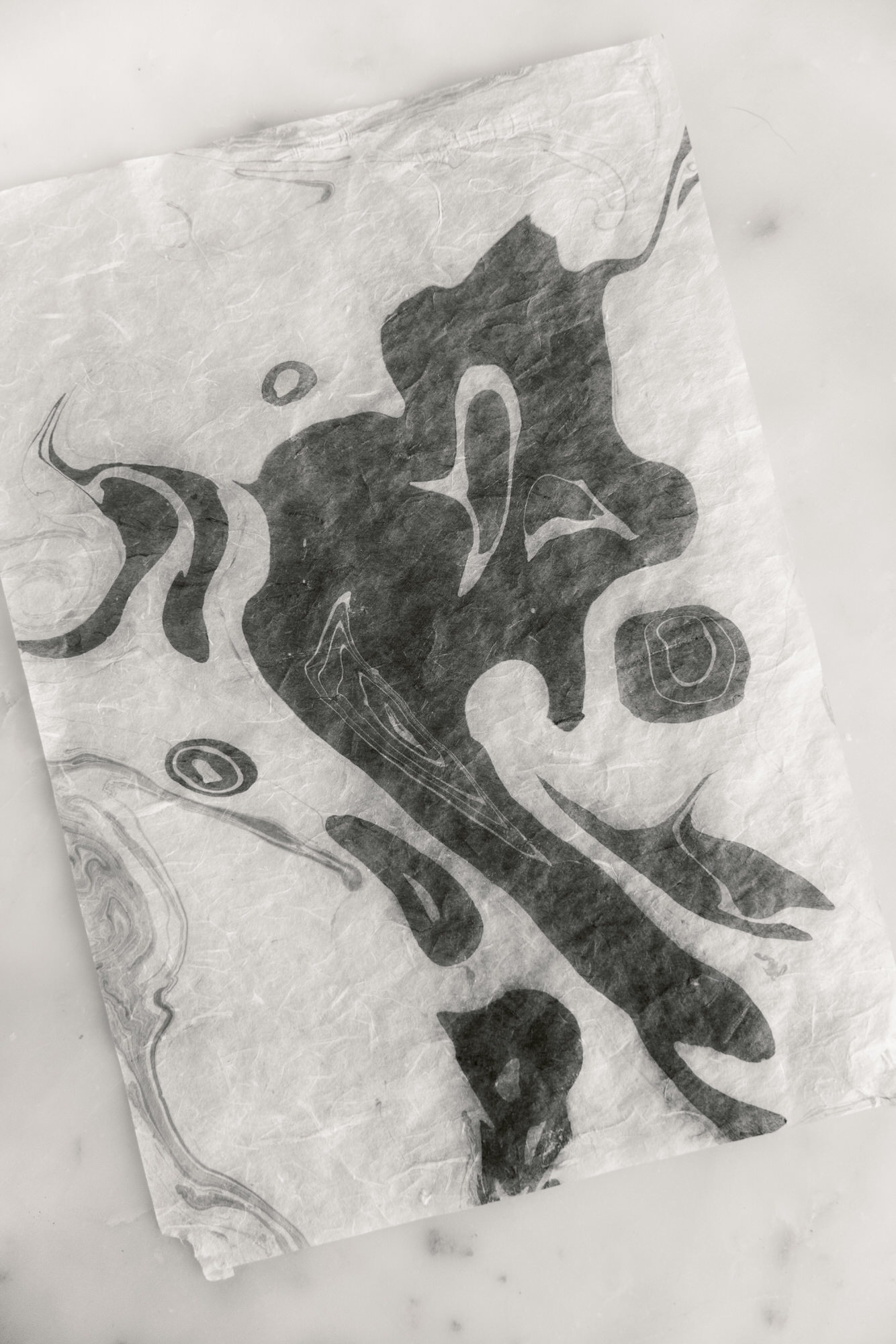
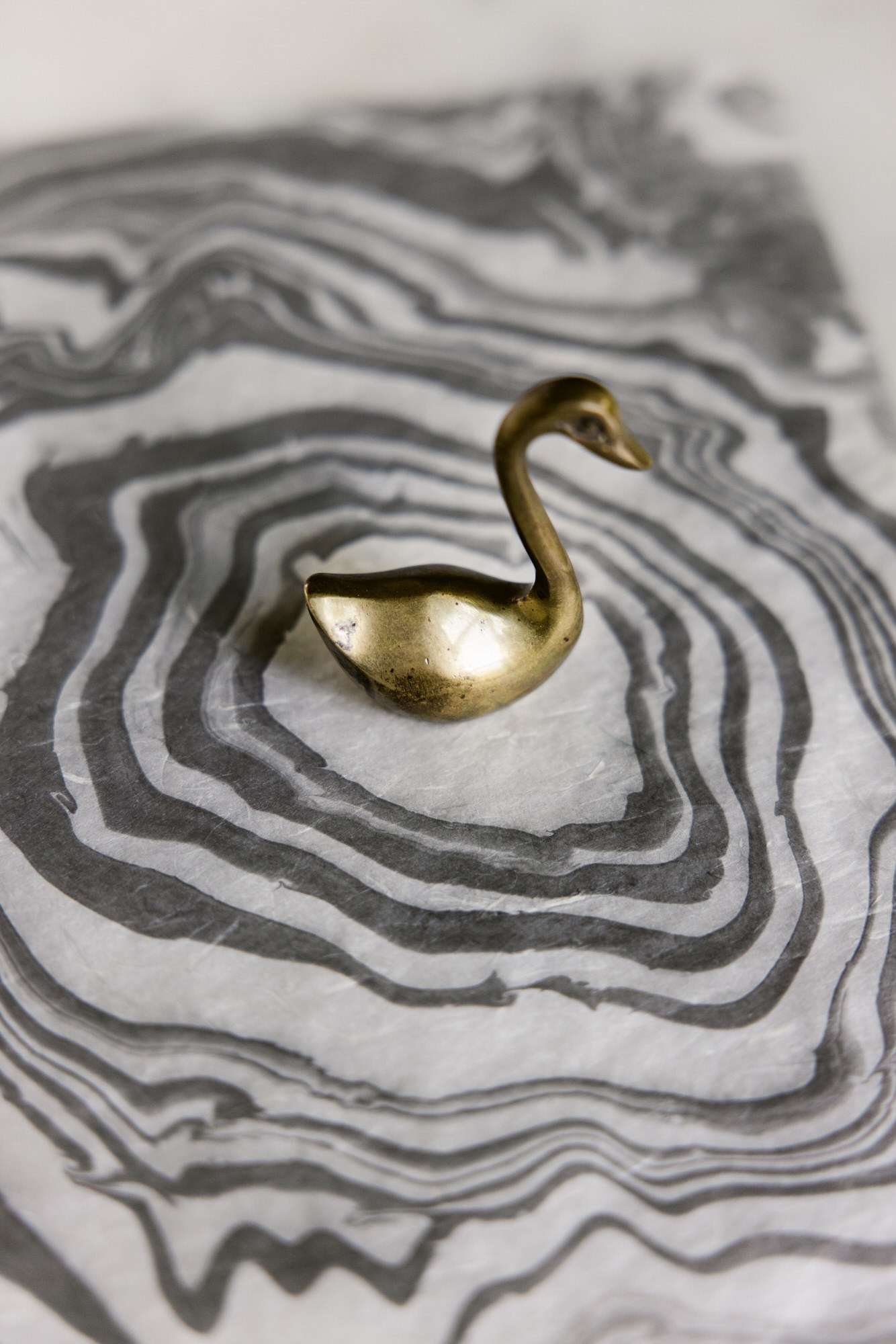
The name translates to “floating ink,” and that’s exactly what happens. Tiny drops of ink rest on the surface of plain water, expanding into delicate rings that swirl and mingle into one-of-a-kind patterns. Every print is unique, and that’s part of the beauty.
We are by no means experts, but after spending an afternoon experimenting with Suminagashi, we’re officially obsessed. It’s approachable, inexpensive, wonderfully relaxing, and doesn’t require an art degree—or a chemistry set—to get beautiful results.
Why We Love Suminagashi
Confession time.
A few years ago, we decided we were going to master traditional paper marbling.
It…didn’t go well.
We followed the directions, mixed the special starch bath, waited patiently for everything to be ready, and then confidently added our paint.
It immediately sank to the bottom.
Apparently our starch bath wasn’t quite right. Then we learned our paper needed to be specially treated before using it. By that point, we’d invested half a day and had absolutely nothing to show for it except colorful water and bruised egos.
One day we’ll give traditional marbling another shot.
Today is not that day.
Suminagashi is everything we hoped regular marbling would be. The ink floats on ordinary tap water, there’s almost no setup, and within minutes you’re creating prints that look elegant, organic, and completely different every single time.
It’s one of those crafts that’s just as much about the process as the finished product
-
What You’ll Need
One of our favorite things about this project is that the supply list is refreshingly short.
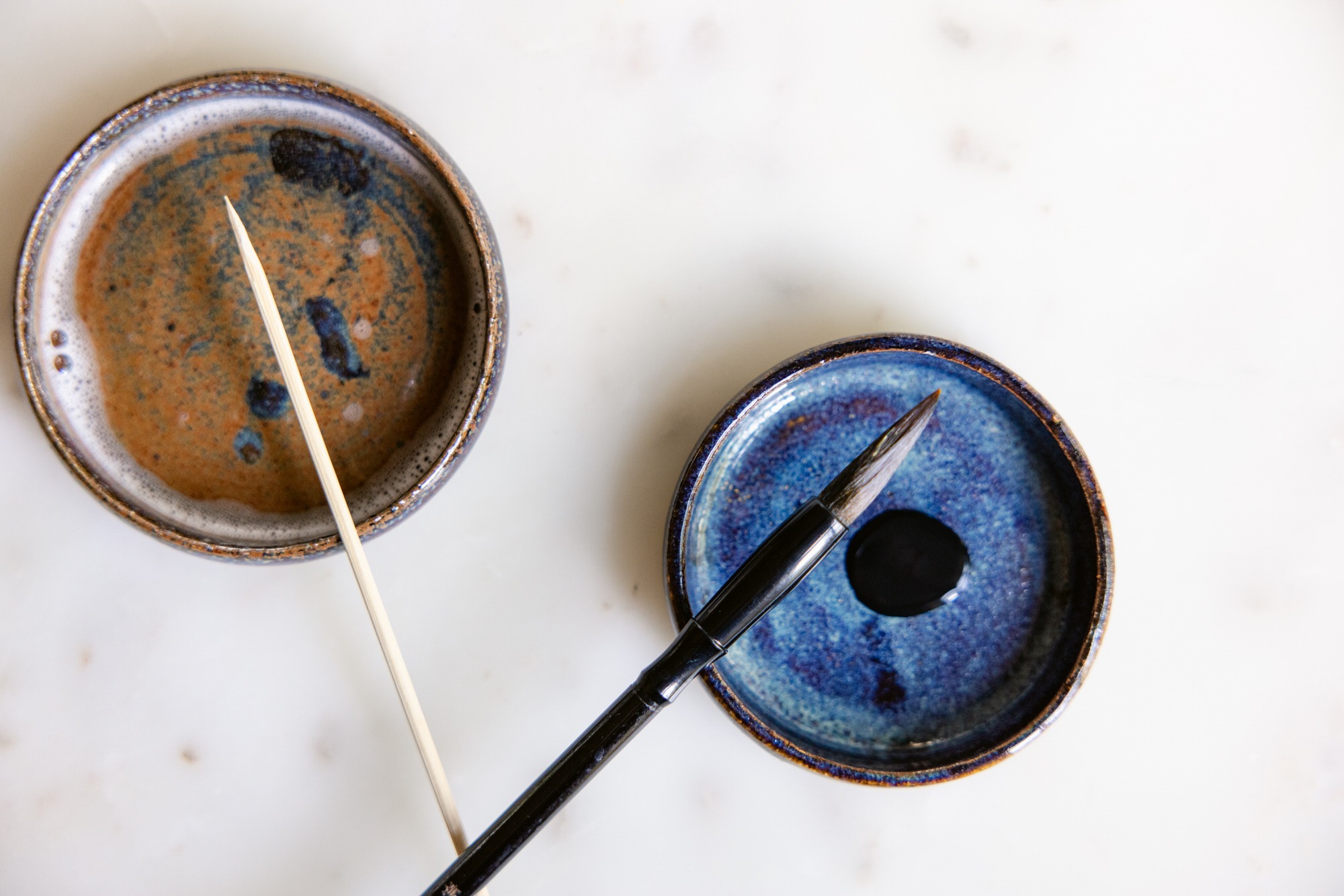
- Two shallow trays or baking pans
- Tap water
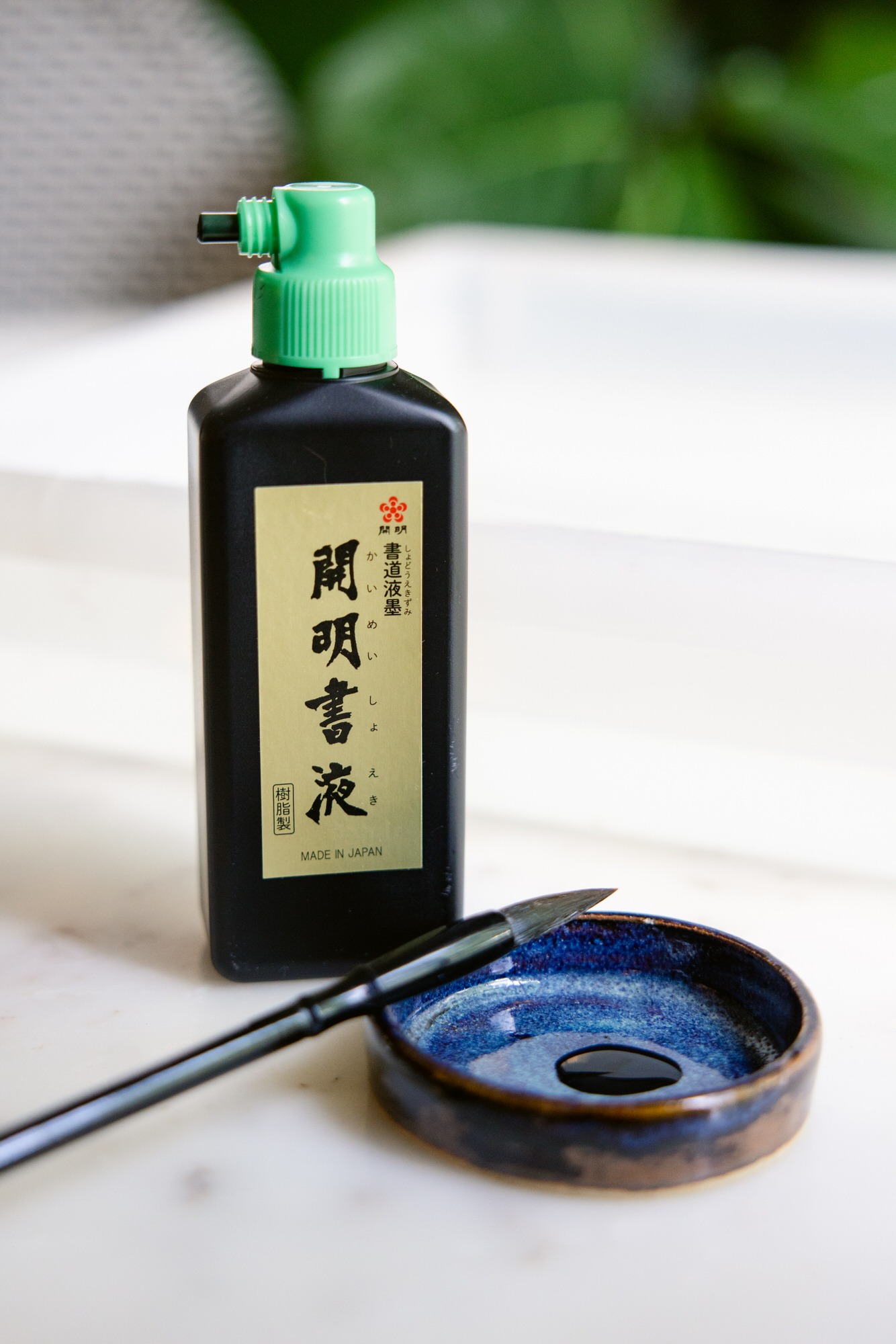
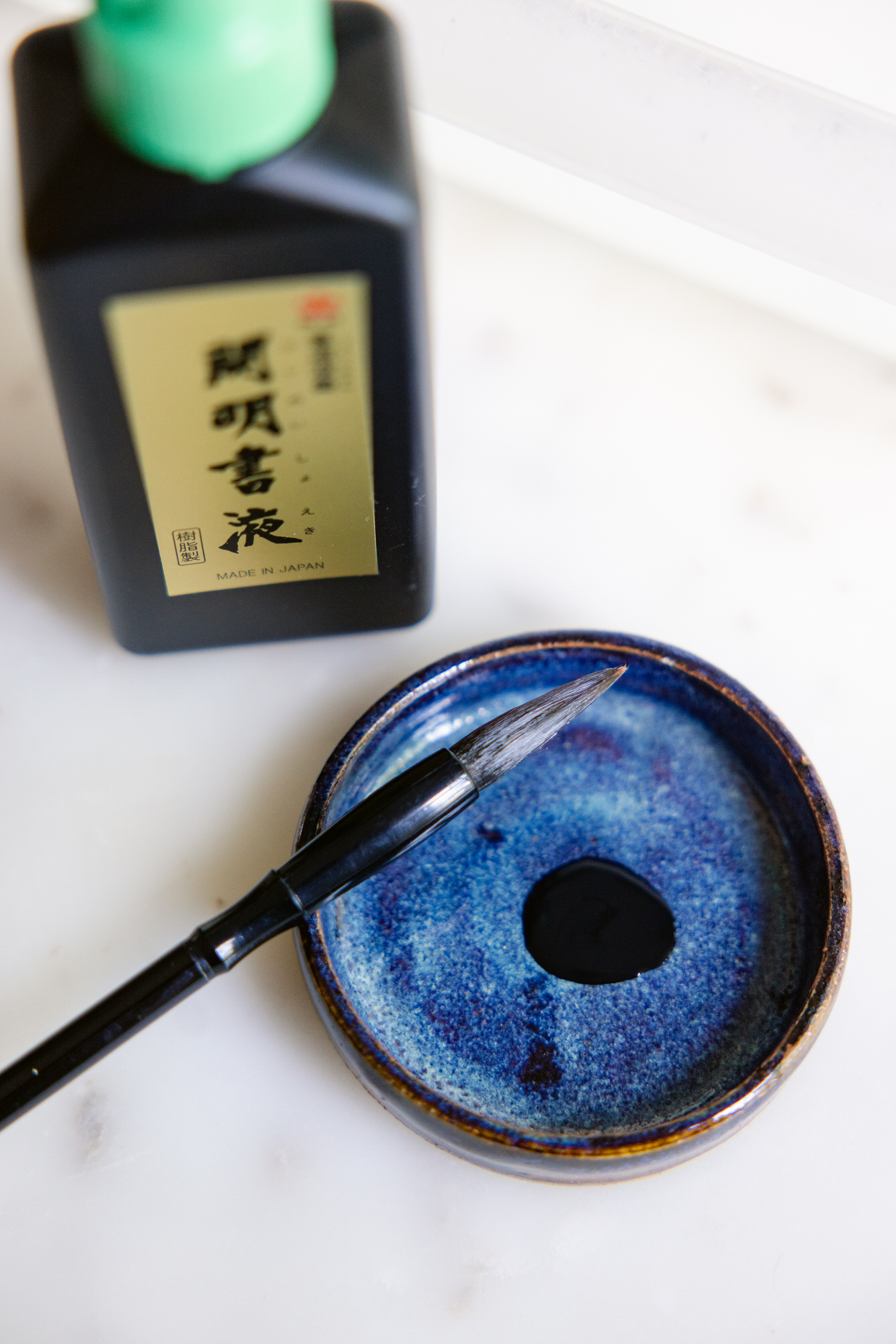
- Suminagashi ink
- A small paintbrush
- Washi paper
- Two small bowls
- A toothpick
- Dish soap
- A towel or drying rack
Before you begin, set out several sheets of washi paper. It’s incredibly thin, and we may or may not have accidentally grabbed three sheets at once thinking it was just one.
Learn from our mistakes.
You’ll also want a towel nearby where your finished prints can dry flat.
Setting Up Your Water Baths
Fill both trays with clean tap water.
The first tray will become your marbling bath.
The second tray is simply for rinsing your finished prints.
Pour a small amount of Suminagashi ink into one bowl.
In the second bowl, mix a few drops of dish soap with a little water. This soapy mixture creates the negative space that pushes the ink outward and forms those beautiful concentric rings.
Now you’re ready for the fun part.
Let the Ink Do Its Thing
Dip your brush into the ink and gently touch the surface of the water.
A circle appears.
Next, dip your toothpick into the soapy water and touch the center of that circle.
Almost instantly, the soap pushes the ink outward, creating another ring.
Repeat the process, alternating between ink and soap.
That’s really all there is to it.
As the circles expand, they’ll begin interacting with one another, creating soft, flowing patterns that seem to have a mind of their own.
This is where experimentation becomes part of the experience.
Try creating several separate clusters.
Hold your brush on the water a little longer to make larger circles.
Move the brush while it’s touching the surface.
Blow gently across the water.
Watch how the ink responds.
There’s no perfect pattern and no wrong answer. Some of our favorite prints happened when we stopped trying to control the process and simply let the ink lead the way.
Printing Your Design
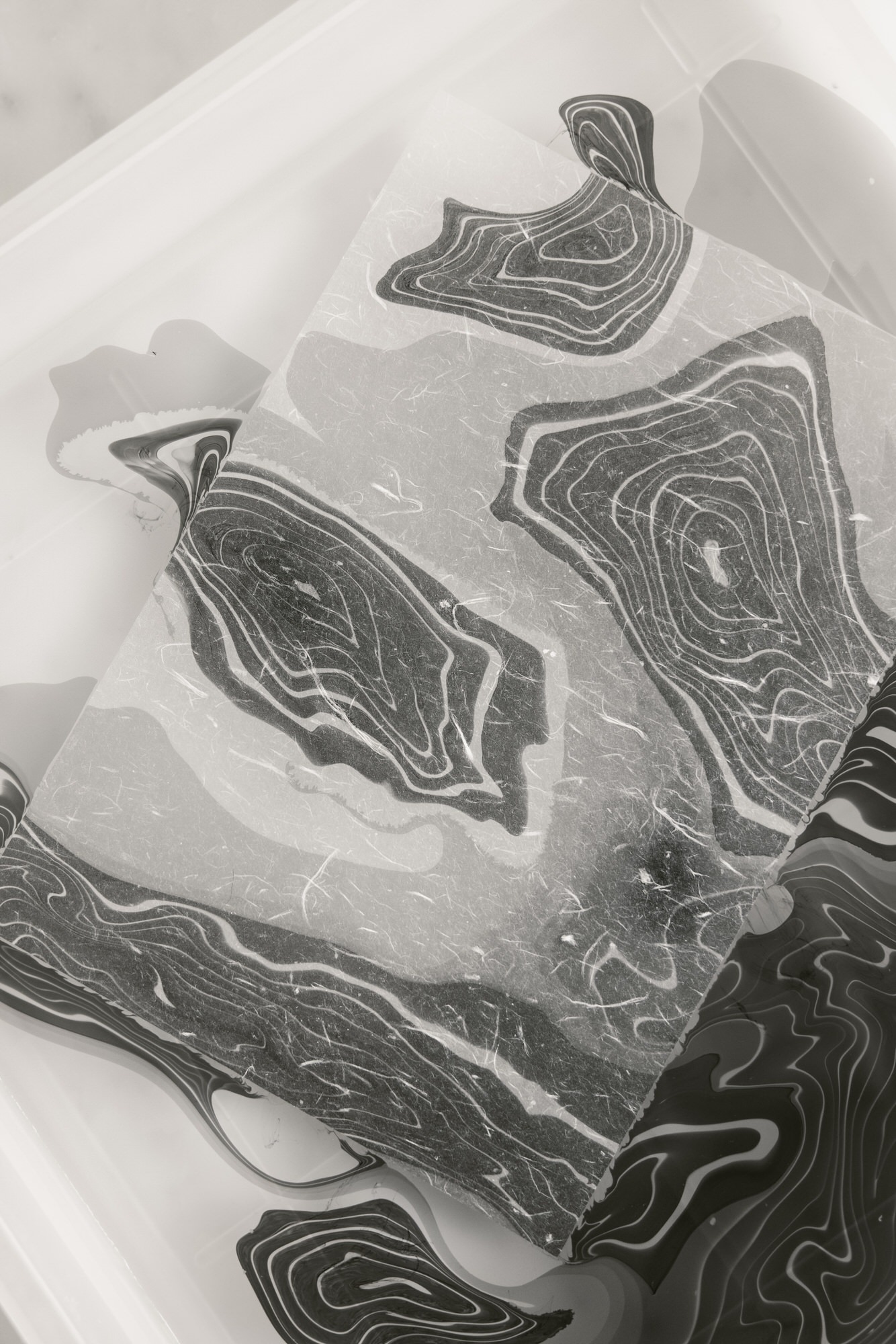
Once you love what you see, carefully lay a sheet of washi paper flat onto the surface of the water.
Resist the urge to lift it immediately.
Let it rest for about 20 to 30 seconds while the ink transfers to the paper.
Then, gently lift the paper by two corners.
And when we say gently…
…we mean very gently.
Washi paper is surprisingly delicate when it’s wet.
Transfer your print to the clean water bath with the ink side facing down and lightly rinse away any excess ink.
Lift it once more, allow the water to drip away, and lay it flat on a towel to dry.
Congratulations!
You’ve officially created your first Suminagashi print.
Want to Experiment with Color?
Traditional Suminagashi is beautifully simple, but if you’re craving something a little more colorful, there are some fun alternatives.
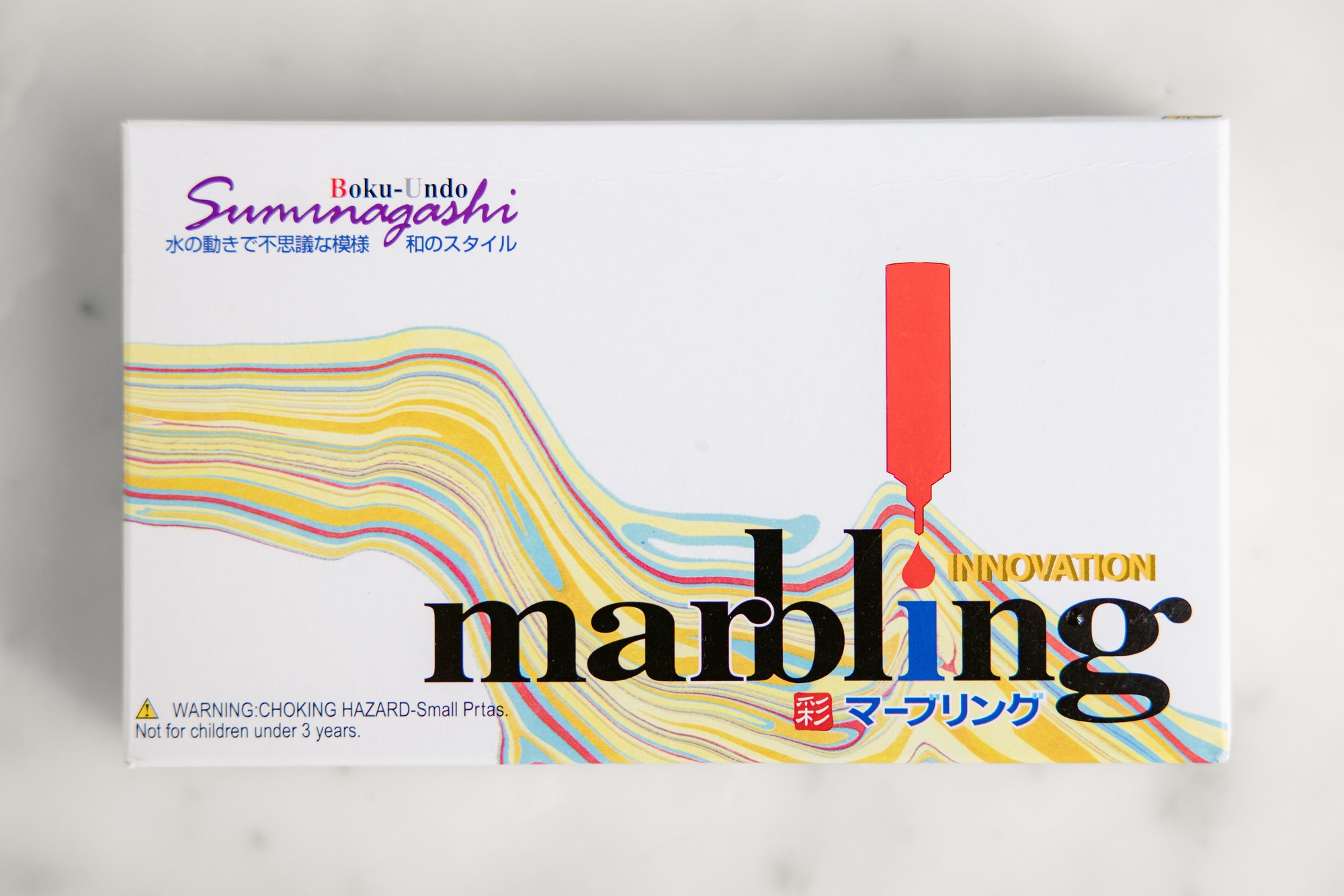
We also experimented with the Aitoh Boku-Undo Suminagashi Kit, which uses a floating paper disk instead of brushes. You simply alternate drops of colored ink onto the floating disk and watch it glide across the surface, creating gorgeous marbled patterns.
It’s not quite as controlled as traditional Suminagashi, but honestly, that’s part of the fun.
Sometimes surrendering to the art gods produces the prettiest results.
Jen & Liz’s Tips
After making far more marbled paper than we originally intended (because this craft is ridiculously addictive), here are a few things we learned.
Stop Sooner Than You Think
It’s easy to keep adding circles because it’s so satisfying to watch. Some of our favorite prints came from stopping while there was still plenty of open space.
Fresh Water Matters
Once the surface starts looking cloudy or has leftover ink floating around, replace the water. Clean water produces cleaner prints.
Use Real Suminagashi Ink
Specialty inks are formulated to float properly. While experimenting is always fun, using the right ink makes the learning process much easier.
Have Plenty of Paper Ready
The ink continues to move while you’re deciding whether you like the pattern. Having paper within arm’s reach lets you print before the design changes too much.
Make Extras
You’ll probably want to frame one, give one away, and use several in projects. You’ll be glad you made a stack.
Common Mistakes
We’ve already made these so hopefully you won’t have to.
Using too much soap.
A tiny amount is all you need. Too much soap can quickly overwhelm your pattern.
Overworking the design.
Sometimes less really is more. Once the water starts looking muddy, it’s time for a fresh bath.
Waiting too long to print.
Ink keeps drifting across the surface. If you love the design, print it.
Being rough with the paper.
Wet washi paper is incredibly delicate. Slow, gentle movements are your friend.
Trying to make every print perfect.
The charm of Suminagashi is that every piece is different. Let go of perfection and enjoy the surprises.
Host With It
One of our favorite things about handmade projects is finding ways to incorporate them into entertaining.
Create Beautiful Place Cards
Cut your favorite prints into small rectangles or organic shapes and hand-letter each guest’s name with a metallic paint pen.
Wrap the Perfect Hostess Gift
Skip the gift bag and wrap a bottle of wine, sake, or a favorite cookbook in your handmade paper. Add velvet ribbon or baker’s twine for an effortlessly elegant presentation.
Dress Up Your Bar Cart
Frame several prints in inexpensive floating frames and display them on your bar cart or buffet. They’re beautiful conversation starters.
Make Handmade Favor Tags
Punch tags from leftover scraps and tie them onto homemade cookies, jars of jam, herb salts, or party favors.
Elevate Cocktail Hour
Turn scraps into tiny cocktail flags or garnish picks for olives, citrus slices, or appetizer skewers.
Layer Your Table
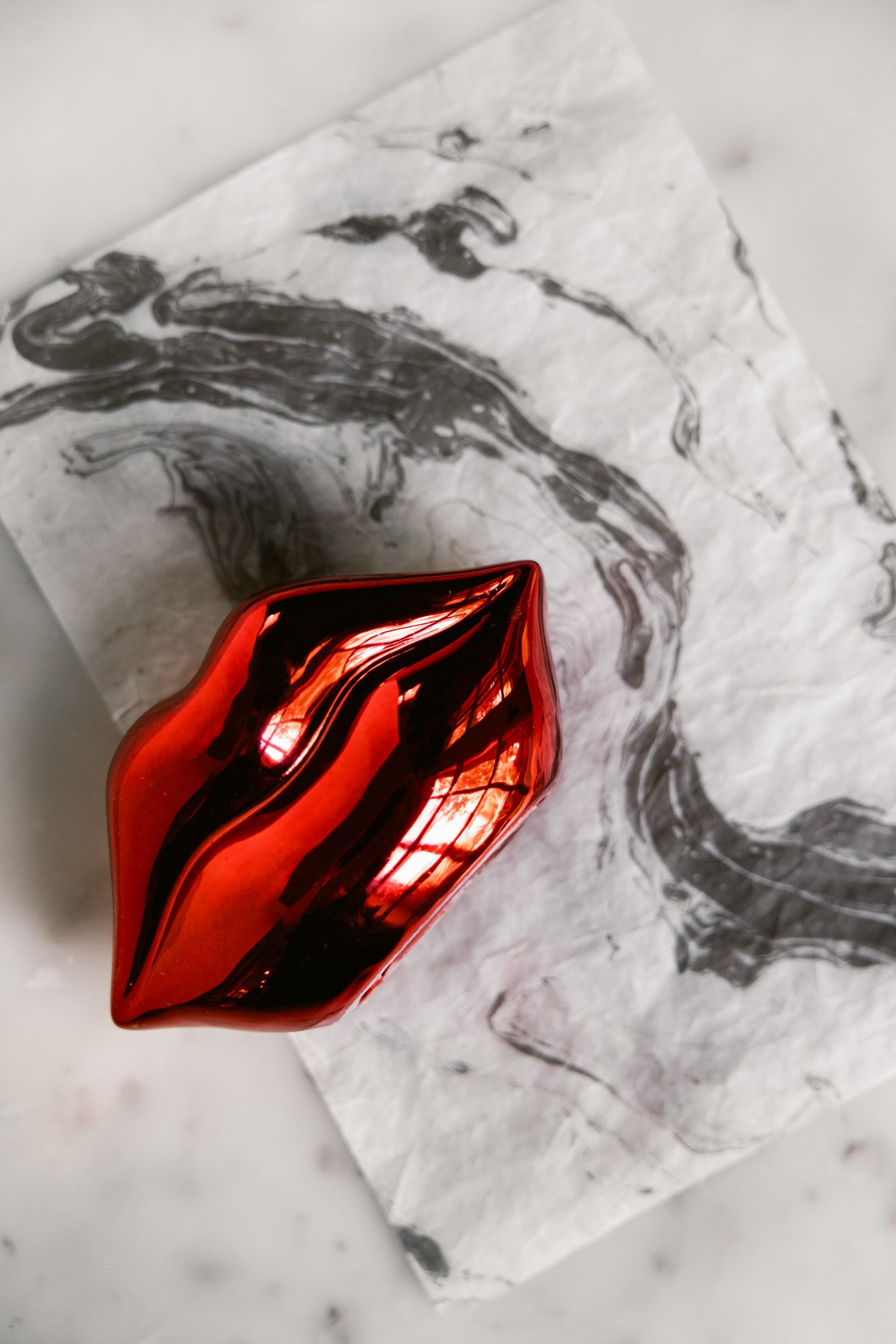
Use larger sheets beneath bud vases or candles to add color and texture to your tablescape. They’re an easy way to make your table feel custom without spending a fortune.
Host a Marbling Party
Invite friends over for cocktails, a grazing board, and an afternoon of Suminagashi. Everyone leaves with beautiful artwork they created themselves, which makes for a pretty memorable party favor.
Final Thoughts
Some crafts are all about precision.
Suminagashi is about slowing down.
There’s something incredibly calming about watching ink drift across water without trying to force it into perfection. Every print is different. Every piece tells its own little story.
It’s a reminder that beautiful things don’t always come from having complete control.
Sometimes they come from letting go just enough to see what happens.
And honestly?
We think that’s a pretty good philosophy for entertaining, too.
Because the gatherings people remember most usually aren’t the perfect ones.
They’re the ones where everyone felt welcome, laughed a little louder than expected, and left with a story to tell.
Maybe even a beautiful piece of marbled paper to take home.

Recent Comments